
Understanding Slack as a Digital Collaboration Platform in the USA
Disclaimer: This post is for educational and informational purposes only and does not provide financial advice or investment guidance.
Introduction
Digital collaboration platforms have become an essential part of how organizations coordinate tasks, exchange information, and structure internal communication. In the United States, one of the most widely recognized platforms in this category is slack. This post provides an educational overview of how such a platform functions, focusing on its general structure, registration process, navigation logic, and everyday use scenarios. The purpose is to explain concepts and workflows clearly, without promotion or endorsement.
What Slack Represents as a Platform
Slack is commonly categorized as a team communication and workspace platform. Its core idea is to centralize conversations, shared information, and collaborative processes into a single digital environment. Unlike email-based communication, this type of platform organizes discussions into clearly defined spaces, allowing users to separate topics, teams, or projects.
From an educational perspective, slack can be understood as an example of how modern digital workspaces replace fragmented communication methods with structured, searchable dialogue streams.
General Registration Process Explained
The registration process on platforms like slack typically follows a standardized structure used across many digital services in the USA. A user begins by providing basic identification details such as an email address, followed by account verification. After confirmation, the platform guides the user through an initial setup phase.
This setup often includes naming a workspace, defining its general purpose, and inviting other participants if applicable. These steps are presented through guided screens designed to reduce complexity and help users understand the platform’s structure from the start.
Importantly, this process is informational in nature and does not require prior technical knowledge.
Navigating the Interface
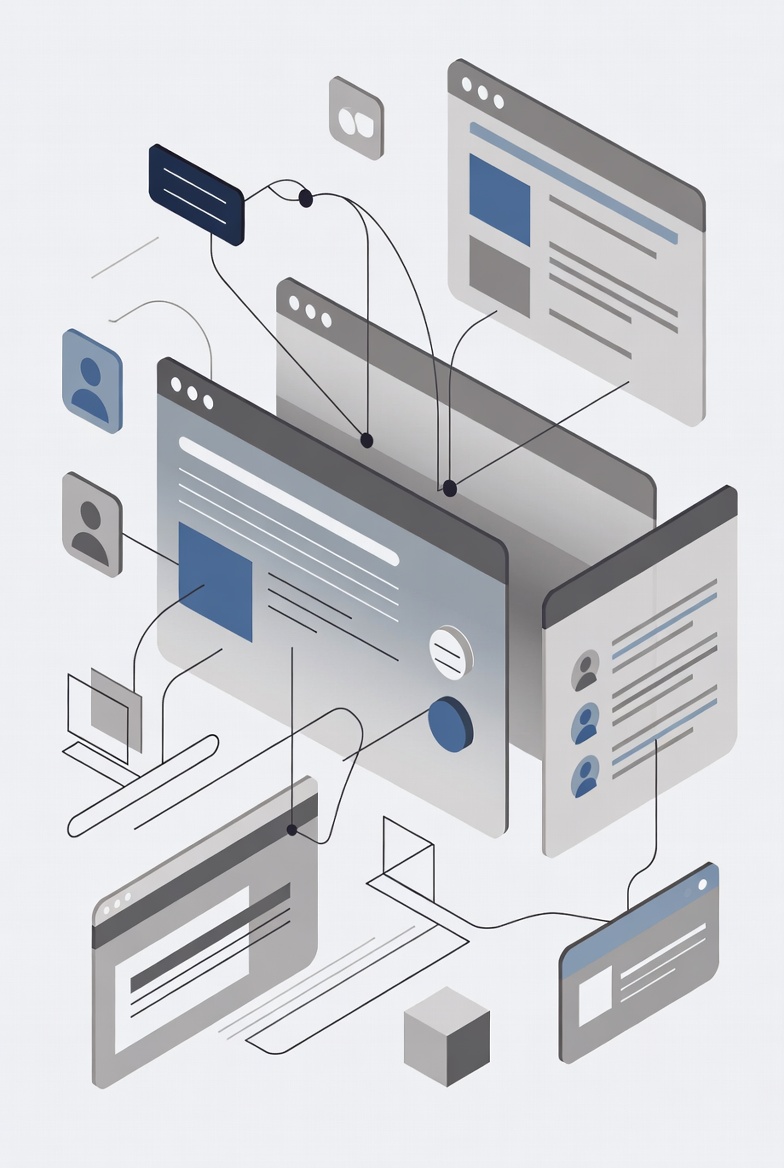
The interface design of slack reflects common principles of modern user experience design. The main screen is typically divided into several areas:
- A sidebar that lists channels and direct communication spaces
- A central panel where conversations and shared content appear
- A top navigation bar for search, settings, and notifications
Channels act as topic-based discussion rooms. Each channel groups messages, shared files, and references related to a specific subject. This structure helps users follow conversations without losing context, especially in larger teams.
Search functionality plays a significant role, allowing users to locate previous discussions or documents efficiently.
Common Usage Scenarios
Educationally, slack can be examined through its typical usage patterns. Teams use channels to discuss ongoing work, share updates, or document decisions. Direct messaging supports one-to-one or small group conversations, while notifications help users stay informed without constant monitoring.
Another important aspect is the integration concept. Many digital platforms allow connections with external tools, enabling information to flow between systems. From a learning standpoint, this illustrates how digital ecosystems are built rather than isolated applications.
Comparison With Other Digital Collaboration Platforms
While slack is a well-known example, it operates within a broader category of collaboration tools used in the USA. Other platforms may emphasize video communication, document collaboration, or task tracking. The key difference often lies in how information is structured and retrieved.
Slack’s channel-based approach highlights the value of topic organization, whereas other platforms may prioritize hierarchical folders or timeline-based communication. These differences demonstrate that digital collaboration tools are designed around specific workflow philosophies rather than universal standards.
Conclusion
Slack serves as a clear example of how modern collaboration platforms organize communication, reduce fragmentation, and support structured interaction. By examining its registration flow, interface layout, and usage logic, users can better understand the broader principles behind digital workspaces. This knowledge is applicable beyond any single platform and contributes to general digital literacy.
Disclaimer: This post is for educational and informational purposes only and does not provide financial advice or investment guidance.

You May Also Like
Learning Everyday Slack Usage Through Practical Educational Scenarios
How Slack Organizes Team Communication and Information Flow